

Credit: Bernd Dittrich, unsplash.com
FOLLOW OUR PODCAST ON (search opentheword):
PODCAST NOTES:
Hi, my name is Wayne Johnston. In this podcast, I am talking about one of my heroes from the Old Testament, Shammah.
He was one of the three main leaders in David’s army, when he was fighting the Philistines and running from a paranoid, demented King Saul.
There are only a few verses, that talk about Shammah, but what they say is interesting, and I believe is relevant to us today.
The Hebrews author may have had Shammah in mind when he wrote:
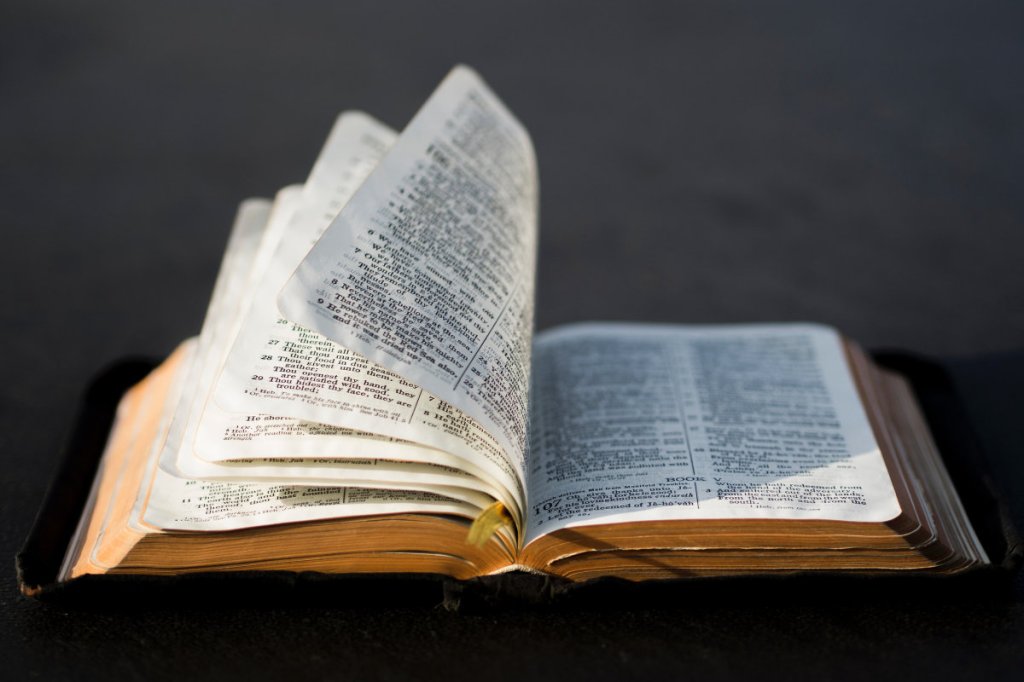
“Out of weakness were made strong, became valiant in battle, turned to flight the armies of the aliens.” (Hebrews 11:34 NKJV)
Now I have a sword at home, that I mad myself. You might say, ‘Ok, I’ve got this sword, that represents my hero’, but it is more complicated than that.
The sword I made at home was made from a broken truck spring. Something that had been ruined and devastated and that is the key to understanding this Bible hero.
In 1 Samuel, it says:
David left Gath and escaped to the cave of Adullam. When his brothers and his father’s household heard about it, they went down to him there. 2 All those who were in distress or in debt or discontented gathered around him, and he became their commander. About four hundred men were with him.. (1 Samuel 22:1-2 NIV)
Like the my sword, Shammah was in a place of brokeness, because of King Saul and the poor choices in the land. The oppression in there own land, not only from their enemies, but King Saul.
And this shepherd King David gathered broken people to himself. David was a person who got this right. He raised up others in their giftings, whether it was musicians or warriors (giant killers).
David was a rare Bible leader who was able to put the broken back together and make them better than himself.
The name of this hero, Shammah, must mean something great, right, something macho.
No, Shammah actually means ‘ruin, desolate, or waste.’
What is wrong with some parents?
Can you imagine mom yelling out the door of their home, “Waste, supper time!”
It also says that Shammah was a Hororite. Ok, that must mean something good, right. Well, Hororite means, ‘mountain man’, ‘miner’ or even ‘cave-dweller.’
This was a great start for one of David’s best, “Waste, the cave dweller.”
So, the back story of this is after killing Goliath, David served King Saul and had to eventually flee because of Saul’s paranoia.
Samuel, the prophet, had declared David the next king in Israel, which put him in King Saul’s cross-hairs. God’s choice versus man’s choice.
David running and hiding in caves gathered to himself 400 t0 600 of society’s castoffs or broken swords.
David’s small guerrilla band was hiding from Saul’s army and spies. They would fight the Philistines and they would also protect the Jewish towns for a fee. They had to live.
It was sort of the original 3Ds. These men who gathered to David were ‘distressed’. They were in ‘debt’ and they were ‘discontented.’ They weren’t happy with how life was in Israel under King Saul. They didn’t like the status quo.
In 2 Samuel, we read about an interesting incident in Shammah’s life:
Next to him was Shammah son of Agee the Hararite. When the Philistines banded together at a place where there was a field full of lentils, Israel’s troops fled from them. 12 But Shammah took his stand in the middle of the field. He defended it and struck the Philistines down, and the Lord brought about a great victory. (2 Samuel 23:11-12 NIV)
At harvest time, David’s forces were busy and spread very thin. The enemy wants the harvest. He’ll patiently let you tend the fields, pull the weeds.
The Philistines were masters at that with raiding parties. They would let the Jews plant. They would let the Jews water. They would let the Jews pull the weeds and then just at harvest time, the Philistines would come in and steal their food.
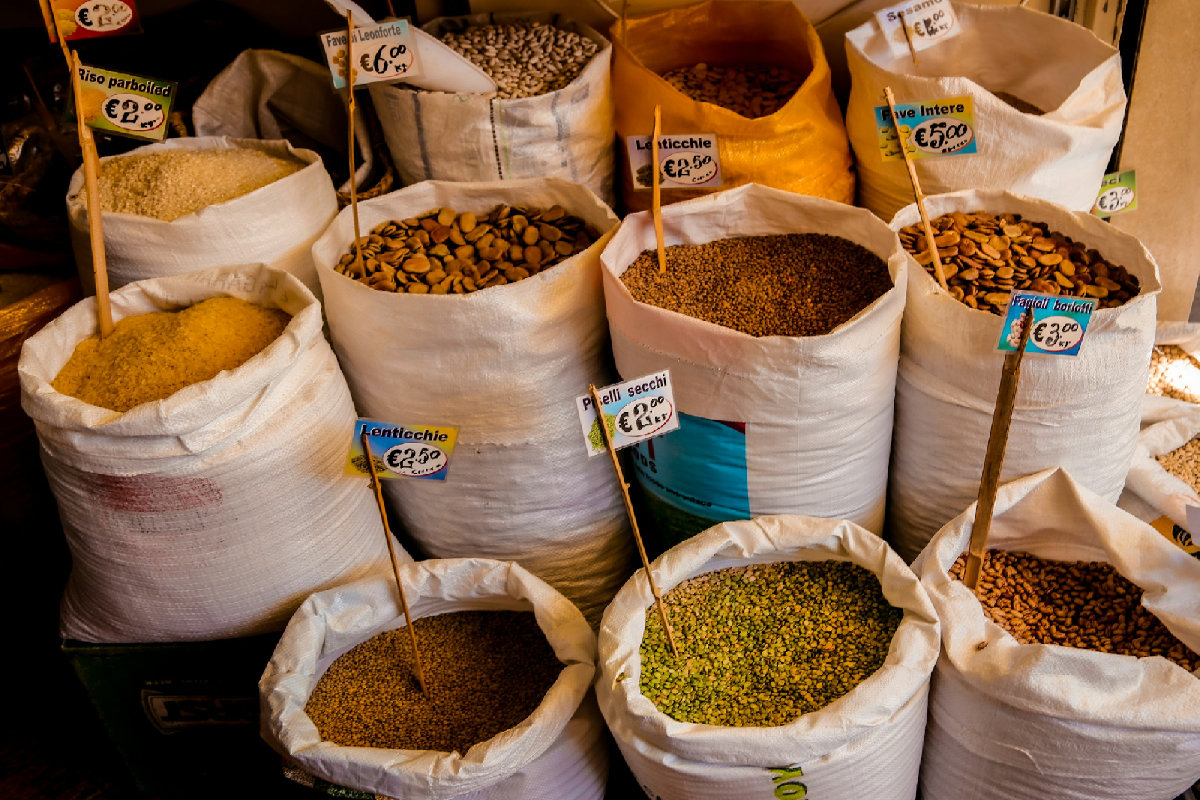
It’s just a lentil patch. Imagine the Jews, send David an SOS and they ask him to send a bunch of men to protect the village.
David who has a lot of villages to protect, sends one man who looks a little like a cave man.
I wonder what the response would have been, ‘Thanks David.’
But harvest time is critical. Shammah on orders from the king was sent to protect not just the people, but the crop as well.
Lentils, even then, were cheap, healthy food to feed families. Our enemy comes to steal, kill and destroy.
Protecting this crop was not about having a good year on the farm, but it was about survival and protecting the next generation, our children.
Shammah had a vision. It wasn’t just about protecting the people, it was to protect the future, the next generation. They can’t have our lentils.
Now my kids would be the first to give ‘my famous lentil soup’ to the Philistines. They would love to give it to the Philistines.
But not Shammah.
The Bible says that the Philistines gathered into a troop.
The Hebrew word here for troop gives no indication of the numbers. But the definition of troop means ‘alive, fresh, strong company, congregation, fast, running, springing troop.’
It doesn’t sound like something I would want to face alone.
But one man stood in their way. We are not sure of his orders from David. We are not sure if he had a weapon as it doesn’t really say.
A good soldier would have warned the people to make a hasty retreat and then Shammah does the unthinkable.
The Philistine troop marches to the field, the Jews, the harvester all run in terror and Shammah does something strange.
He positions himself in the middle of the lentil patch. He is making a statement. He is not on the edge where he could quickly escape, he is right in the middle, saying to the Philistines ‘if you want the lentils, you have to come through me.’
Shammah’s position told the Philistines everything about his character.
He defended the food, not just the people. He had long range vision. He killed the enemy, but its said that God brought out a great victory.
He trusted God, just like David his boss did.
I guess he never heard the phrase, ‘is this hill worth dying for?’ or ‘live to fight another day.’
I don’t think these were in Shammah’s vocabulary.
There are two keys to this story.
First, Shammah was sent by the king to protect the people, the crops and the future. Heroes run towards the bullets. Remember David ran towards Goliath, not from him.
Secondly, details are important. Shammah places himself in the center of the problem and the danger. You want our food you have to go through this cave man first.
Shammah was a hero because he stood alone in the center of trouble. We need men and women today, who will come and stand in the middle of trouble and not give the enemy an inch.
We decide what our kids eat, not the world. Hope I am not in trouble with that with you parents.
We read in Ephesians 6:12, says, ‘For we wrestle not against flesh and blood, but dark forces.”
In a time, when so many seem to support everything, yet stand for nothing, we need heroes who will stand in the center of the harvest field. That’s a hero.

 OpentheWord.org
Leave a comment