
Credit: Lucas Davies, unsplash.com
I want to start with a disclaimer. The topics mentioned here may offend some people. Religion and politics is a topic for an argument, and the religion of Islam has strong supporters, and also people who disagree. I think this topic is important because it shows us something about ourselves. I don’t believe that I can save the world with my argument, but I do believe that we need to think about some things.
I encourage you to form your own opinions, based on reliable information.
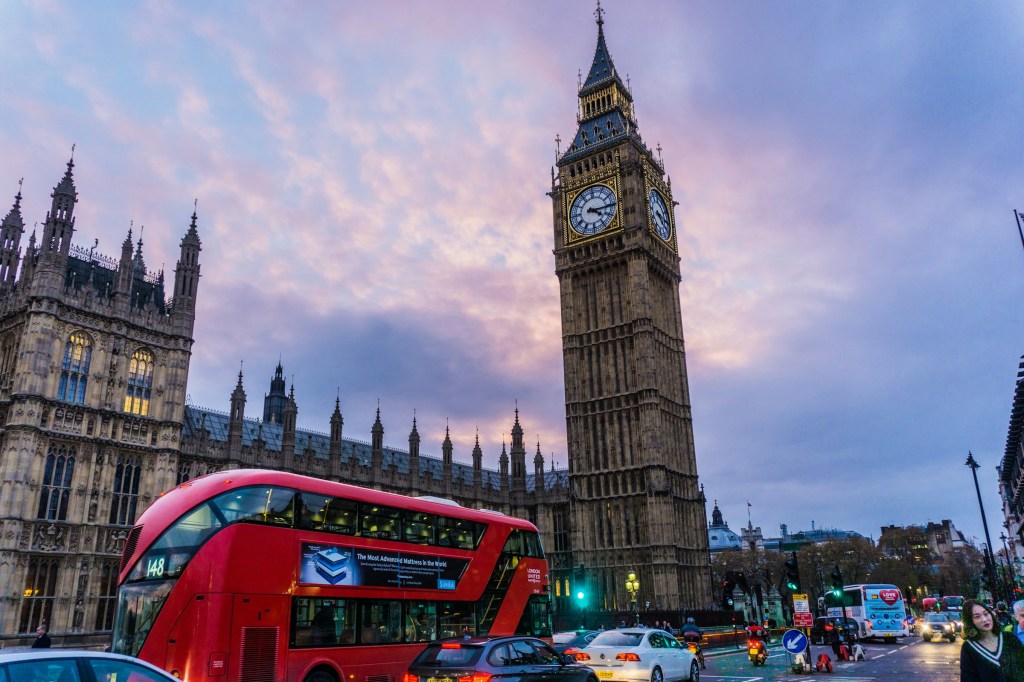
So, there is a new political argument, in the world and this is especially true in Britain: Muslims in politics.
In history, religions were usually political. When Muslim armies came out of the deserts of Arabia and captured the Middle East, centuries ago, most of the people who lived in those places identified as Christian or Jewish.
One sincere belief, in those historical times, was that the world could be saved if the top leaders belonged to the true religion.
The Muslim conquerors put their members in leadership positions, and then the European countries, identifying as Christian, struck back. For several centuries, in medieval times, Crusaders from Europe fought in wars, “Crusades”, in the Middle East. This is another topic that can start arguments, today, but it can also tell us something about ourselves.
There was a time when almost everyone believed that the world would be saved if members of their religion formed the government. The Crusades faded away when the Europeans got tired of the effort, and Turkish tribes, from central Asia, invaded the Middle East. Those Turks chose the religion of Islam, and for many years, their Sultans governed the whole region.
History is interesting, but we are living in modern times, and the Crusades are mostly forgotten in western democratic countries. What we might miss, is that people have different beliefs, and the old idea about religion and politics is still common, in some parts of the world.
Many Muslim immigrants are active in politics, and many have been elected to positions of power. People who oppose this sometimes use the term “Eurabia” and claim that Muslim immigrants are beginning to take control of western Europe.
Two things are true about many Muslim immigrants; they often have very conservative ideas, including ideas about religion and politics. Also they tend to have high birthrates in the new countries, where most native families have low birthrates.
These trends can make people uncomfortable.
There is another alarming trend: Something will always win in an argument against nothing. When I find myself caught in a disagreement, I find it very useful to look in a mirror.
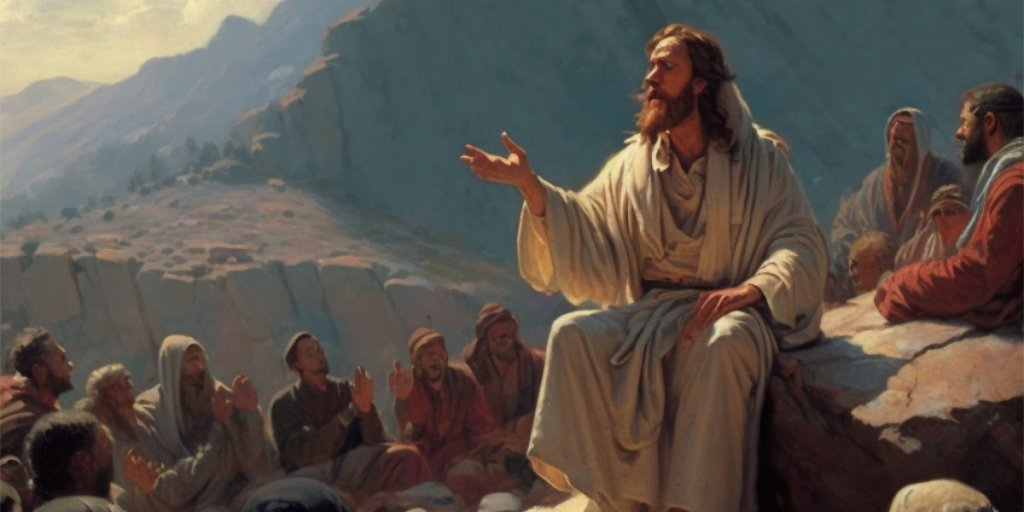
It is worth asking; What do we believe? What is the other side of the debate? I am writing as a Christian, and Jesus, the founder, told us “All authority in heaven and on earth has been given to me. Go therefore and make disciples of all nations, baptizing them in the name of the Father and of the Son and of the Holy Spirit, teaching them to observe all that I have commanded you. And behold, I am with you always, to the end of the age.” (Matthew 28: 18 to 20)
I could be a “cultural Christian” who refers back to something that my grandparents might have believed, or I can be a believer myself. You might have heard of the famous Atheist Richard Dawkins, who was unhappy with the growing influence of Muslim immigrants in London, and described himself as a “cultural Christian.”
In a spiritual contest, we are promised power to answer the critics. We have no answer, if we can only refer back to an old cultural tradition.
I believe that the growing influence of immigrant communities, and their religious ideas, is a challenge to us all. Why should we disagree? What is our alternative to their ideas?
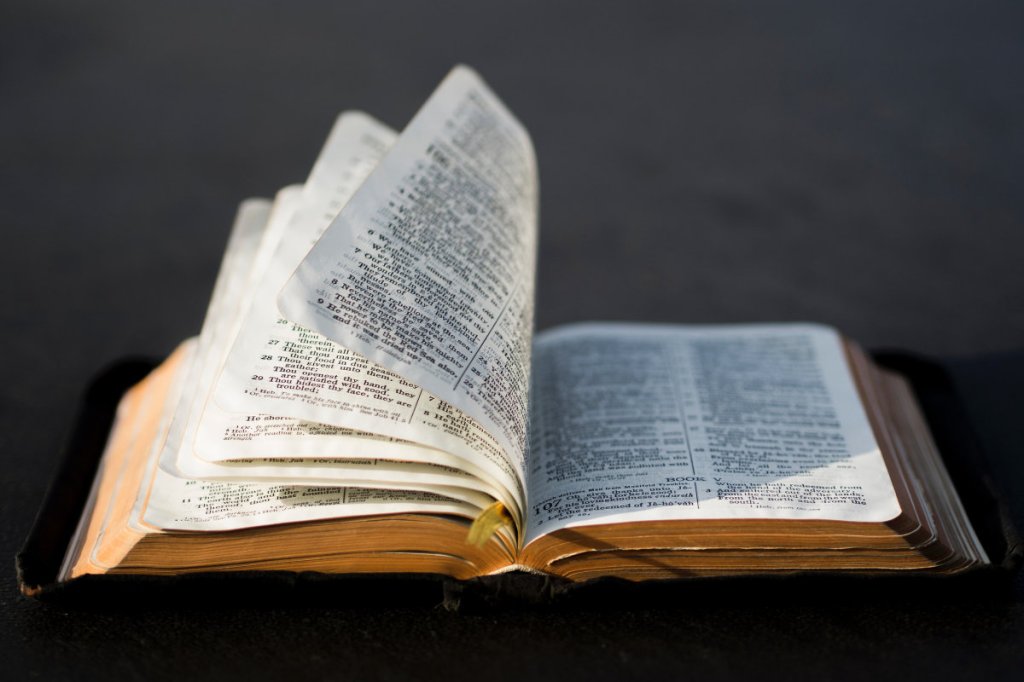
A challenge can be useful in our spiritual lives. I believe that the challenge does not come from another religion, it comes from the pages of the Bible. The Bible gives us a description of ourselves, in our time in history:
People will be lovers of self, lovers of money, proud, arrogant, abusive, disobedient to their parents, ungrateful, unholy, heartless, unappeasable, slanderous, without self-control, brutal, not loving good, treacherous, reckless, swollen with conceit, lovers of pleasure rather than lovers of God, having the appearance of godliness, but denying its power. (2 Timothy 3: 2 to 5)
I hope we can learn the lesson in a challenge. We need to see ourselves.


 OpentheWord.org
Leave a comment