
Credit: Twitter:@Kamran_khan_3
There is an interesting article on Israel365 News (I3N), an Orthodox Jewish news site based in Israel, talking about an unusual weather event that took place this month in the Middle East.
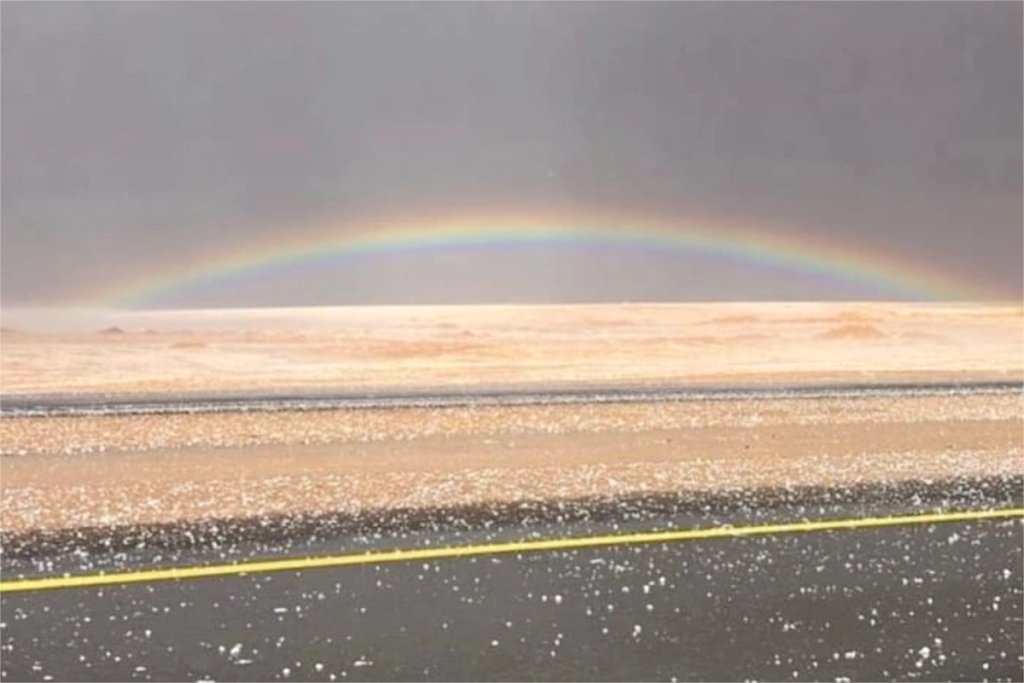
In his article, Adam Berkowitz discussed how snow fell in the region of Al-Jawf located in Saudi Arabia. This was first time in recorded history that this area has seen snow.
Prior to this unprecedented snowfall, the area was inundated with rain and storms that “created waterfalls, revitalizing the valleys and infusing the region with life,” Berkowitz added.
In fact, the Saudi weather forecasters are predicting more heavy rain for the region in the coming days.
But it is not just happening in Saudi Arabia.
“Snow has also appeared in other unlikely areas,” Berkowitz wrote. “Last month, the Sahara Desert, the world’s largest hot desert, was blanketed in snow last month following two freak snowstorms in 2018. This came after a 38-year hiatus in snow.”
But Berkowitz adds that this unprecedented snow may actually be connected to the arrival of the Jewish Messiah.
“Such rare weather patterns may very well be a sign of the Messianic era as the prophet Isaiah speaks repeatedly of deserts blooming in his description of the end of days,” Berkowitz explains.
He then points to Isaiah’s Messianic prophecy that speak of ‘rivers in the desert.”
Behold, I am going to do something new,
Now it will spring up;
Will you not be aware of it?
I will even make a roadway in the wilderness,
Rivers in the desert. (Isaiah 43:19 NASV)
Operated by Orthodox Jews, I3N does not accept Jesus as the Jewish Messiah, but they do believe that a Messiah is coming and often feature prophetic articles about his soon arrival.
Of course, as Christians we believe that Jesus is the Messiah and many of the Messianic prophecies that Orthodox Jews cite are in fact pointing to Christ’s second return.
Orthodox Jews fail to recognize that the Messiah will come to earth twice. He will arrive first as the suffering servant portrayed in Isaiah 53 who died for the sins of the world (verse 5), and then return again as the triumphant ruler who will extend God’s kingdom on earth.
Weather events in the End Times
Whether these snow events fulfill end times prophecy is hard to say. But we do know from New Testament prophecy that weather will play a significant role in the days leading to Christ’s second coming.
This will include famines that will precede Christ’s return (Luke 21:11). Food shortages are typically caused by unusual weather events, but can also be affected by war that disrupts agricultural production (Mark 13:8).
Some of these famines may be connected to the droughts predicted in Revelation 11:6.
In his vision of the end times, the Apostle John also saw the Euphrates River drying up (Revelation 16:12), an event that researchers are already warning about. This is undoubtedly connected to an intense heat spell that will precede this (Revelation 16:8-9).
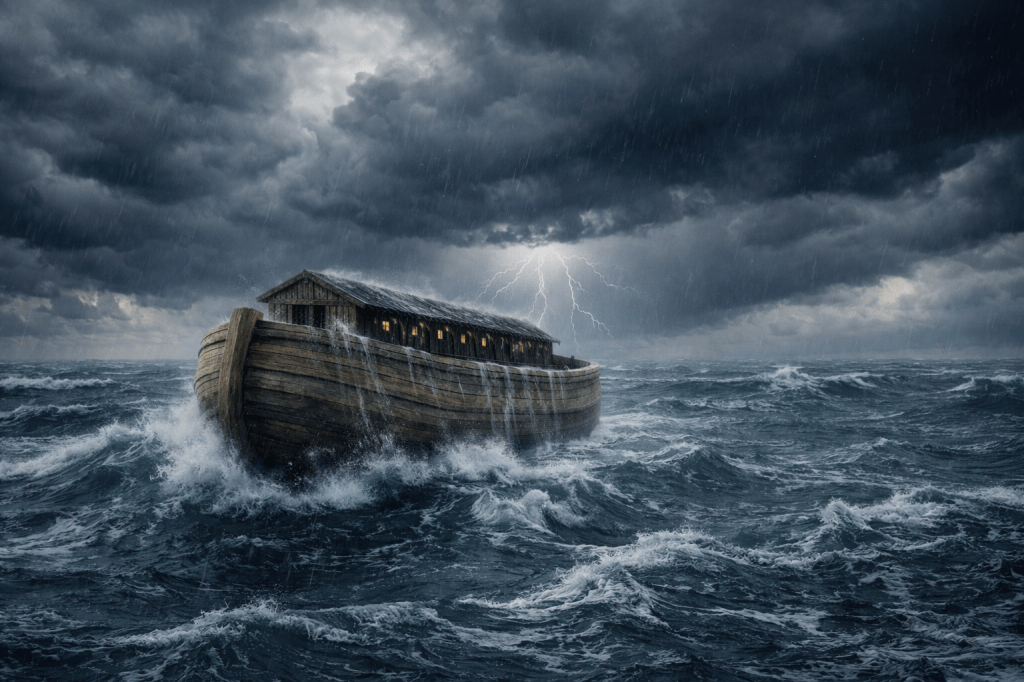
In addition, there will be unusual storms occurring on the earth’s oceans. Jesus warned, “And here on earth, the nations will be in turmoil, perplexed by the roaring seas and strange tides” (Luke 21:25).
Then in contrast to the raging storms, there will be a period when the winds will strangely subside in parts of the world (Revelation 7:1), which could negatively impact the fertilization of crops.
The best way to describe this is chaos.
The world will reel from one extreme to the next. From raging storms to times when the wind stops blowing.
The world will be shaken.and people will faint “from fear and the expectation of the things that are coming upon the world; for the powers of the heavens will be shaken” (Luke 21:26 NASV).


 OpentheWord.org
Leave a reply to STEVEN H. COOLEY Cancel reply