

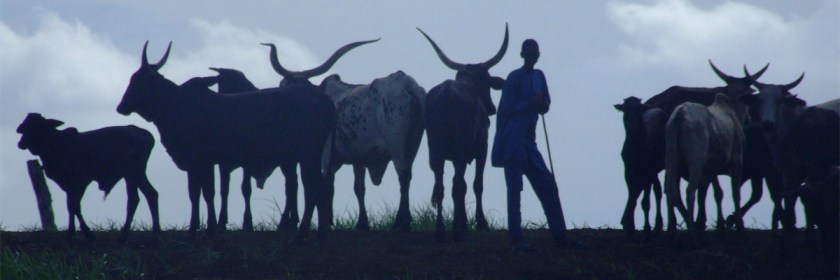
Over the June 21-22, 2018 weekend, Fulani herdsmen massacred 218 Christians in Nigeria’s northern Plateau state in coordinated attacks on 11 villages.
This is the third worst massacre of Christians by Fulani tribesmen behind the slaughter of 500 Christians in March 2010 in Plateau State and 300 in February 2016 in Benue State.
This recent spate of violence is both puzzling and concerning.
The Fulani herdsmen are nomadic or semi-nomadic tribesmen that travel through several countries such as Nigeria, Niger, Senegal with their cattle herds. They provide the bulk of the meat in Nigeria.
Though the Fulani tribesman are Muslim they have worked peaceably side by side Christians farmers for decades. But that changed in recent years, and some are convinced that Muslim extremism, Boko Haram in particular, has radicalized many in this tribal group.
Despite Nigeria being made up of 51% Christians and 45% Muslim, the Muslims are concentrated in the Northern and a middle part of Nigeria where they make up the majority of the population.
However, the Plateau State where many of the killings have taken place is a Christian enclave in the North. As attacks against Christians in Northern Nigeria started increasing, they fled to Plateau State but it is obvious they are no longer safe even there.
Because of the recent surge of violence, there have even been calls for the Nigerian government to declare the Fulani Tribesmen an Islamic Terrorist group. Many are also pressuring Nigerian President Muhammadu Buhari to replace district police chiefs and the country’s Inspector General of Police because not a single arrest has been made for any of the Christian murders.
Though there have been larger assaults resulting in death of hundreds of Christians, there have been many smaller attacks. In September 2017, Fulani tribesmen attacked a Christian village killing 20 people including a three-month old baby. They justified the slaughter by stating that a Fulani boy had been killed a year earlier. However, as many pointed out, that killing took place in a different village miles away from where the slaughter took place and arrests were made for that murder.
In an article published on Assist News, Emmanuel Ogebe writes that 60 Christians were massacred by Fulani tribesmen on New Year’s day in 2012 and even though one Fulani leader admitted to the slaughter, six years later he has not been arrested.
But in June 2018, ICR reports a Muslim judge in Northern Nigeria’s Adamawa State sentenced five Christians to death for killing a Fulani herder involved in an attack on their village.
Speaking for the Pentecostal Fellowship of Nigeria, Bishop Emmah Isong said he does not support the violence committed by Christians, but pointed to the hypocrisy where the judge sentenced these men to death for the murder of one Fulani tribesman but police have not made a single arrest for the thousands of Christians killed since 2010.
Isong said:
“It looks as if it is vengeance for a Yola court to condemn five Christians to death for allegedly killing herdsman when herdsmen are rampaging everywhere killing and maiming innocent Christians and going free.”
Because of the Nigeria government’s unwillingness to deal with the problem, Christian villagers in the North have been forced to organize militia groups to defend themselves.
Sources:


 OpentheWord.org
Leave a comment