
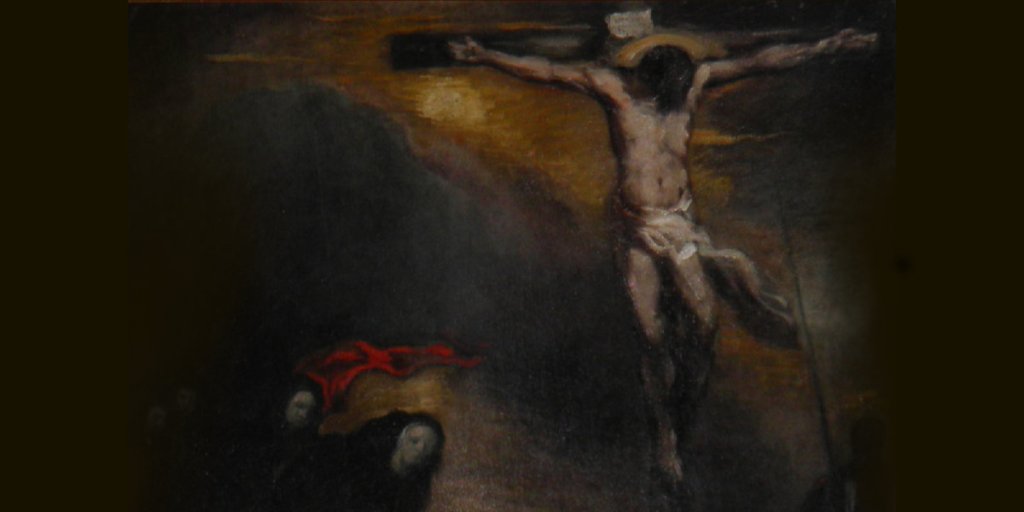
Easter Sunday takes place on April 5, 2026. It marks the day that Jesus rose from the dead.
So it is appropriate to deal with one of the earliest references of Christ’s crucifixion from a nonChristian source.
It involves a man by the name of Thallus who around 52 AD wrote three books on the history of the Mediterranean world. This was about 30 years after Christ’s crucifixion.
Though copies of his works have not survived, we know they exist as fragments have been found.
His works were also referenced by several other writers.
One of the most intriguing was made by a Christian writer, Sextus Julius Africanus, who died around 240 AD. He was a historian and philosopher. By all accounts he was careful in citing his sources.
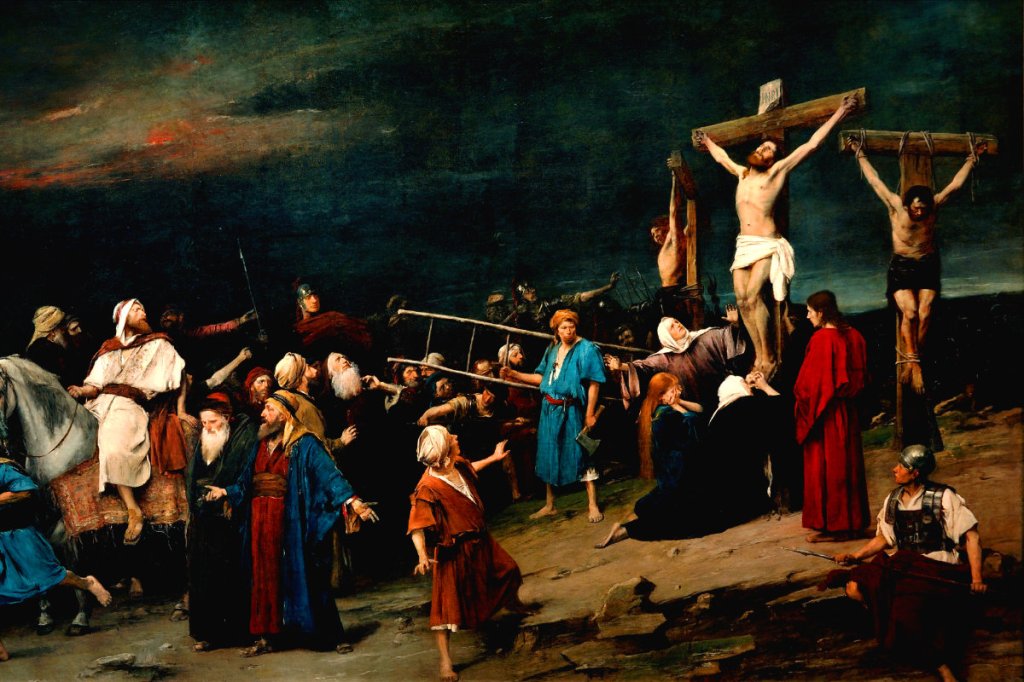
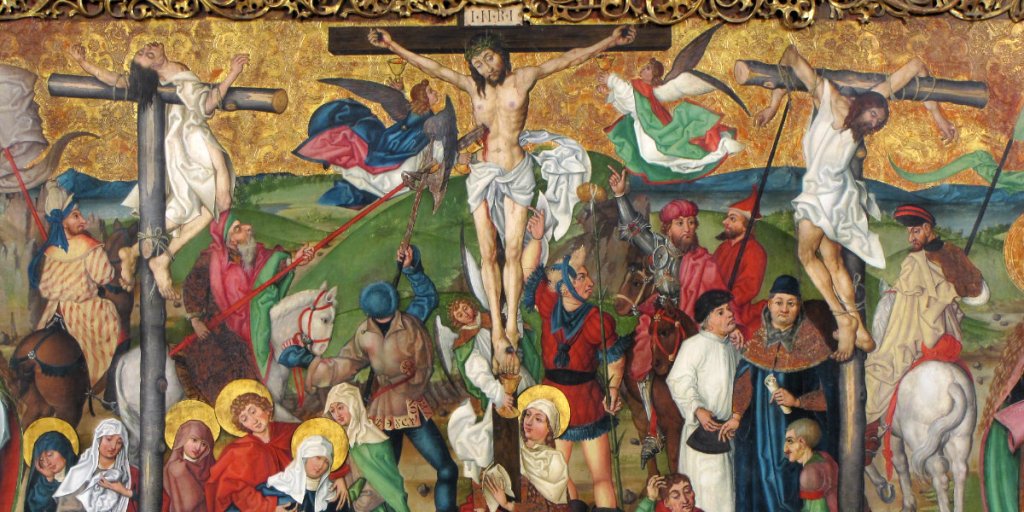
The Gospel writers Mark, Luke and Matthew speak of the unusual darkness that took place when Jesus was crucified.
Matthew describes it this way:
45 Now from noon until three, darkness came over all the land. 46 At about three o’clock Jesus shouted with a loud voice, “Eli, Eli, lema sabachthani?” that is, “My God, my God, why have you forsaken me?” (Matthew 28:45-45 NET)
Matthew goes on to say in verses 50 and 51, that the Temple’s curtain was ripped in half because of an earthquake.
According to Africanus, Thallus confirmed the darkness in his third volume, but then tries to write it off as simply an eclipse of the sun.
As Africanus explains:
“On the whole world there pressed a most fearful darkness; and the rocks were rent by an earthquake, and many places in Judea and other districts were thrown down. This darkness Thallus in the third book of his History, calls, as appears to me without reason, an eclipse of the sun.”14
At first glimpse it does not appear that Thallus referenced Jesus.
However, some believe he must have done so either directly or indirectly. This is because Africanus is disputing Thallus’ suggestion that the darkness was the result of a solar eclipse.
Africanus contends that it was a miraculous sign from God. As evidence, he stated that a solar eclipse can’t take place at the same time as a full moon. Which is true. It can only occur during the new moon phase and the Passover is specifically timed with the full moon.
But Thallus was not the only one to talk about an eclipse. Africanus also referenced second century Greek historian Phlegon. He stated that an eclipse and earthquake took place during the reign of Tiberius in 33 AD.
In his book, Olympiad, Phlegon wrote:
“In the fourth year of the 202nd Olympiad (i.e., AD 33) there was ‘the greatest eclipse of the sun’ and that ‘it became night in the sixth hour of the day [i.e., noon] so that stars even appeared in the heavens. There was a great earthquake in Bithynia, and many things were overturned in Nicaea.’”1
Notice how he refers to it as the greatest eclipse. The darkening of the sun would have been referred to as an eclipse by the ancients. But what remains in question is Who or what caused it?
- Gaius Suetonius Tranquillus, The Lives of the Twelve Caesars 1:31–33, AD 121. ↩︎

 OpentheWord.org
Leave a comment