
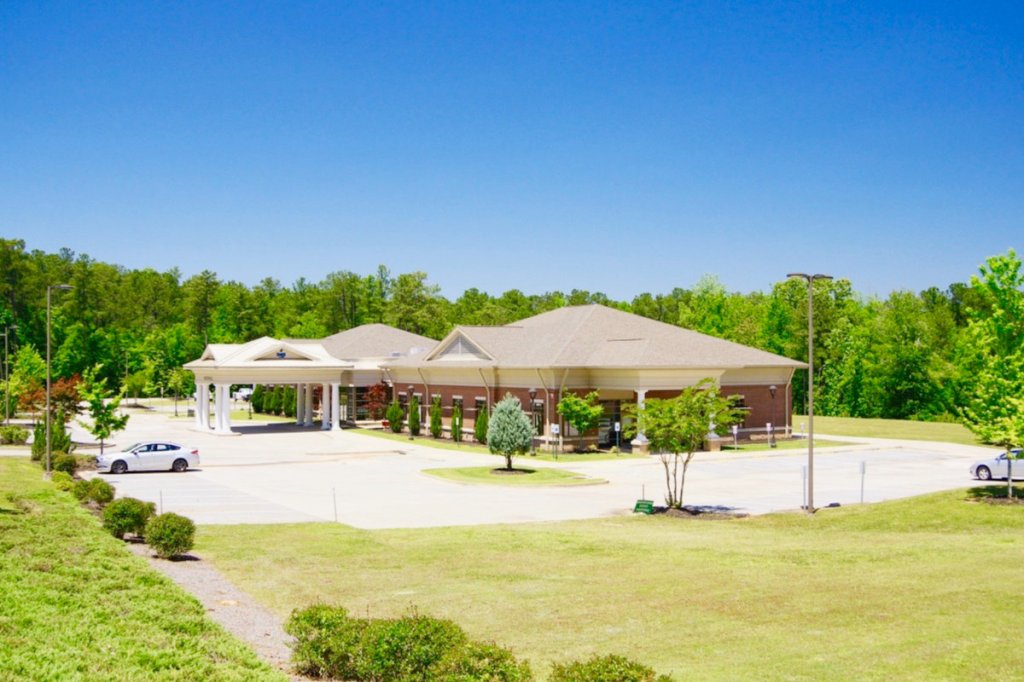
Credit: Brian Stansberry, Wikipedia, CC BY 4.0,
The First Liberty Institute (FLI) is representing Ernest Giardino against the Town of Chapin, South Carolina after officials said Giardino needed a permit to hold a sign as he shared his faith in the community, CBN reports.
Located on the Northern tip of the state, the town has a population of about 1,800.
For several months, Giardino had been walking around the community with small signs sharing his faith. His most recent sign was 20″ x 24″ in size and had “He Save Others–Jesus–He’ll save you” on one side and “Trust Christ He paid the price” on the other side.
However, on June 20, he was approached by a police officer in the community and told he needed a permit to carry a sign.
The permit also limited Giardino’s ability to express his faith. It restricted him to only carrying a sign for 30 minutes and limited the amount of time he could spend at one location to 15 minutes.
According to the FLI, the permit scheme is just another way to censor free speech. FLI sent a letter to the city saying it needed to stop restricting Giardino’s freedom of speech and freedom of religion.
“No one needs the government’s permission to express their faith in public,” said First Liberty Senior Counsel Nate Kellum in an interview with the Post and Courier.
“The First Amendment is his permit. Like any citizen in any city in America, Mr. Giardino is free to peacefully share his religious beliefs on a public sidewalk. Chapin’s ordinance is overbroad, unconstitutional, and must be repealed or enjoined.”
Religious freedom declining in the US
According to its Faith and Freedom report just released by the Napa Legal Institute (NLI), the levels of religious freedom in America is on the decline, Premier Christian News reported.
NLI added that though there can be overt attacks on the church, regulations can have a similar impact in restricting religious freedom.
“State laws play a huge role in determining whether local institutions like churches, religious schools and charities are able to form, operate, and thrive,” wrote NLI in its report.
Only eight states scored over 60% when it came to allowing religious freedom:
- Alabama — 72%,
- Indiana — 68%,
- Texas — 64%,
- Kansas — 64%,
- Mississippi — 63%,
- Iowa — 62%,
- New Hampshire — 60%, and
- Utah — 60%,
It was also noted, that none of the seven swing states in the upcoming Presidential election scored above 60% when it came to allowing religious freedom.
This included:
- Georgia — 55%
- North Carolina — 50%
- Pennsylvania — 44%
- Arizona — 37%
- Wisconsin — 33%,
- Nevada — 29%, and
- Michigan — 22%
“[A] state’s constitution, religious freedom laws, ‘nondiscrimination’ laws related to public accommodations and employment, state of emergency laws, charitable registration laws, and tax laws determine whether a religious organization will be free to accomplish its mission or will be hindered by burdensome laws and regulations.” stated Napa Legal’s Counsel Frank DeVito, in NLI’s news release.


 OpentheWord.org
Leave a comment