
We were in shock. We had just been pulled off a bus by two armed soldiers. I thought it was the last time I would see my husband.
Terrified, we stood as they searched our passports and found what they were looking for. A small piece of paper stuck in our passports stamped with our entry date to Peru.
We had no idea how important that inch-sized paper was. It was all that stood between us returning to the bus or jail.
The soldiers motioned for us to return to the bus and we sat in unbelief about what had just happened.
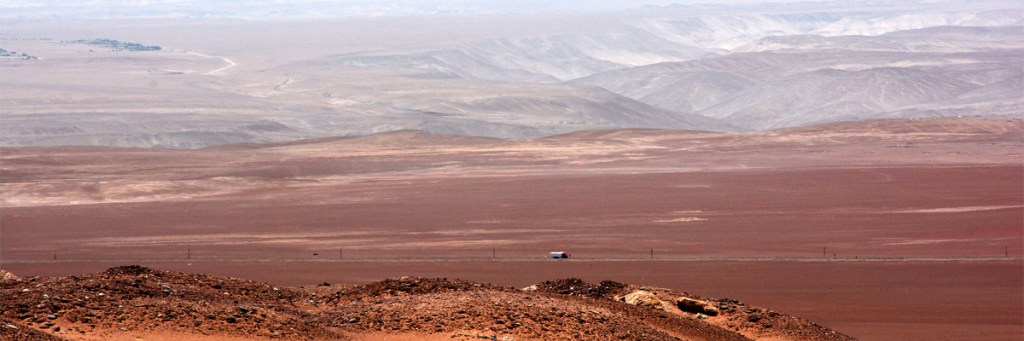
The terrain around us was all desert. Tall, barren mountains hung over us as we traveled on to our destination.
Two hours later we entered a valley. Suddenly there was vegetation as the landscape turned green. This valley had been irrigated and the small town in its midst survived because of it.
The desert in Southern Peru is one of the driest places in the world. We learned later it hadn’t rained there for 25 years.
But in the midst of this desert and this valley lay our treasure. Our two and a half-year old daughter was waiting for us at the Catholic-run orphanage in this small desert town.
When we arrived at the orphanage around 11 that evening they took us to see her. She was sleeping in her crib and the staff woke her up. When she saw us she smiled, laughed and clapped her hands. Then she was put back to bed and we returned the next day to hold her for ourselves.
Our faith had been tested as we pursued her adoption. Months earlier we had received a phone call that her papers were in order and that she was healthy. Would we consider her for adoption?
In the midst of my reply, yes, my vision blurred and I saw a rainbow with colors bursting out of it on every side.
For weeks after, it was this vision that kept me going and when we learned we were going to a desert town in a remote part of Southern Peru we did not waver.
God had given me this promise in Isaiah about our daughter, the rose in the desert, and it felt like we were going to the ends of the earth for her.
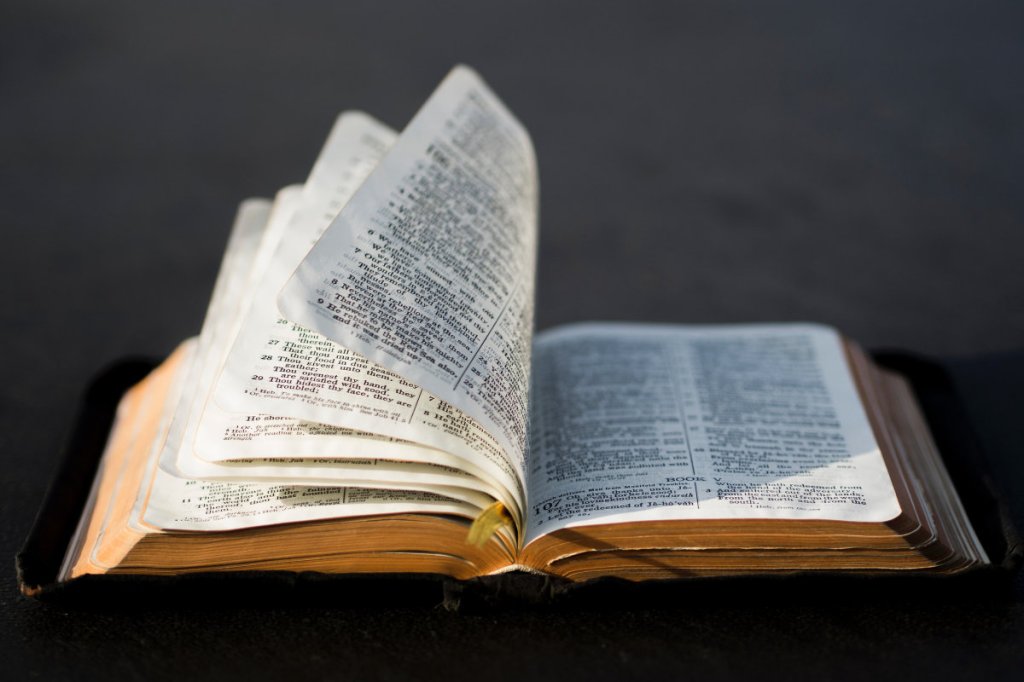
“The wilderness and the dry land shall be glad; the desert shall rejoice and blossom like the rose and the autumn crocus. It shall blossom abundantly and rejoice even with joy and singing.” (Isaiah 35:1)
Desert experiences are filled with road blocks and side trips that are not planned. Fear rises up and the only things that keeps you going is faith, God’s promises and His word.
I spent another six weeks at the orphanage in Peru waiting for papers to be finalized.
There were so many set backs, a shooting, the prosecutor giving us a hard time as we worked our way through the courts to complete the adoption.
I walked our daughter around the orphanage day after day, fasting, praying and meditating on God’s word and the promises He had given me.
I would not let go of God’s promise. God’s word became my food.
And, God moved miraculously. At one point, it looked like we would be detained for a few months and then news came that our judge, who was a Christian woman, had stepped in and intervened in our case. The first time we met with her there was a ‘One Way Jesus’ sign on her office door.
On the last leg of our trip, as I was about to board the plane home, an airport official stopped me and took me to his office. There he verified our papers to his satisfaction.
My plane was about to leave and I was going to miss it. I ran down the tarmac with my daughter in my arms, papers held loosely in my hands and tears running down my face. I was scared. The airport official radioed the plane to wait for me.
We had traveled three years earlier to a Christian-run orphanage in Guatemala for our son and that had been the testing of our faith as well. There had been insurmountable obstacles. But we experienced interventions first hand that enabled us to bring him home.
The rainbow vision of hope, God’s promises, prayer and fasting brought our son and daughter home.
The South gave them up to us just as God promised.
“I will say to the north. Give up! And to the south, keep not back. Bring my sons from afar and my daughters from the ends of the earth,” (Isaiah 43:6)




 OpentheWord.org
Leave a reply to Kathy Tiefenbach Cancel reply