
When I was younger, I had an obsession. It was nothing harmful, just a career plan. I wanted to be an Archeologist! This was before Indiana Jones and “The Raiders of the Lost Ark” but that character acted out some of my ambitions. I wanted to be educated and then to dig in the dirt.
Possibly some people out there had an ambition like mine, and I hope they enjoyed their careers. For me, I hit too many roadblocks and I took my career in other directions. But still, the topic of ancient things fascinates me.
Here is an ancient topic, and it is filled with unanswered questions: Gobekli Tepe. If you don’t know, that name is for an ancient ruined city in modern Turkey; very ancient.
It is one of the oldest cities that we know of, and experts can’t really explain it. If you do a search for that name, you will find many online articles and videos, and many people speculate on what this ancient city actually was.
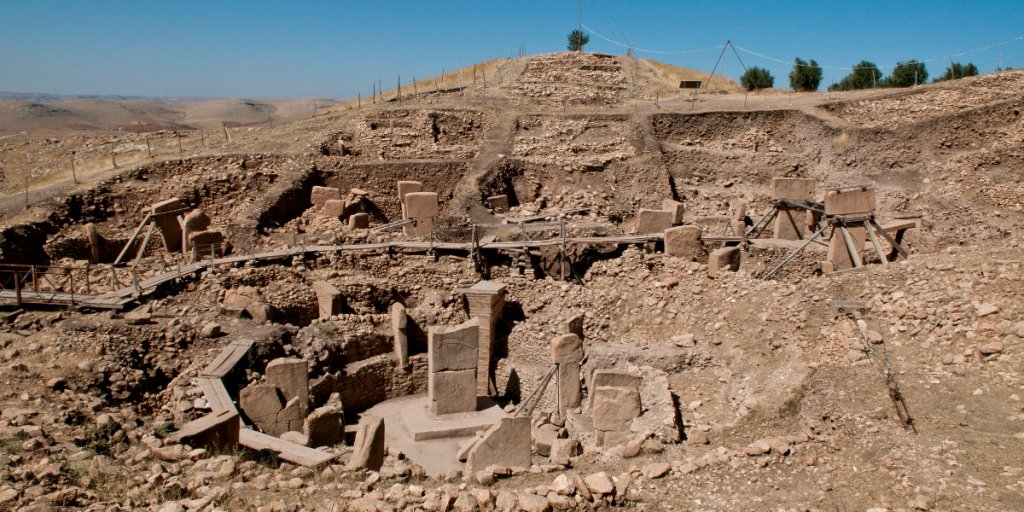
If you look at any of the pictures, it’s easy to see rough and primitive stone walls. People, thousands of years ago, were expected to be simple and rough and primitive.
They were at the beginning of civilization, and modern people like us are so much more sophisticated. There is some pride and prejudice in this opinion, but Charles Darwin taught us that our ancestors climbed down from trees and learned to walk and walk and hunt, probably somewhere in Africa.
Over many millions of years, simple and primitive ape men evolved into sophisticated and civilized humans, like us. That is a belief, like a religious doctrine, and the evidence is supposed to support that belief system.
When ancient fossils don’t fit the belief system, the result can be confusion or even denial. What we believe must be true, we don’t want any other evidence. We don’t want information that points in a different direction.
We want our belief system, like a religion, to be correct. Imagine the problems if the old stories, in a book like the Bible, might be correct.
I’m writing as a Christian, and I know that the people who support a secular and atheistic belief about our world and where it came from. They don’t want to believe that the old stories in the Bible could possibly be true.
The Bible starts with “In the beginning, God created the heavens and the Earth.” (Genesis 1:1) That is a perspective that reads like a fairy tale for many modern scholars.
Now back to Gobekli Tepe. It is easy to see the rough and primitive construction in the pictures. We expect that, at the beginning of civilization. We are supposed to be in a line of succession, from apes in trees to sophisticated and civilized modern people like us.
That fits the larger picture.
But if you look closer at pictures of Gobekli Tepe, you will see something else beneath the rough stones and primitive construction.
The oldest ruins in Gobekli Tepe are almost beautiful. Large and smooth stone objects are arranged into buildings that may have been beautiful, with stone carvings built into them. Later, something happened to that beautiful ancient city, and it was rebuilt, with rough and poorly cut stones.
The civilized and sophisticated people came first, and the more primitive people rebuilt the city later. This is a reversal of the expected order. We are supposed to progress to bigger and better things. That is the belief system, like a religion.
The Gobekli Tepe ruins don’t fit the expected order, and the evidence is supposed to support the belief that humans are evolving.
You might notice the confusion in pictures of the ruins:
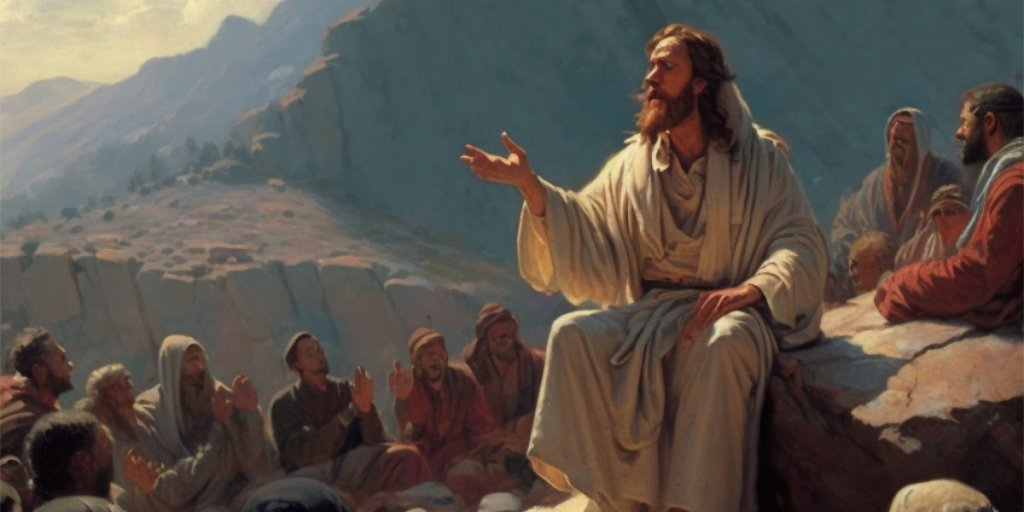
In the Bible story, the first people were not primitive hunters who gradually learned to be more civilized. The oldest humans could be sophisticated, in the Bible. They apparently built cities, made music, smelted metal and in general they knew how to be civilized.
Cain was building a city, and he named the city after his son Enoch. To Enoch was born Irad, and Irad was the father of Mehujael. Mehujael was the father of Methushael, and Methushael was the father of Lamech. Lamech took two wives for himself; the name of the first was Adah, and the name of the second was Zillah. Adah gave birth to Jabal; he was the first of those who live in tents and keep livestock. The name of his brother was Jubal; he was the first of all who play the harp and the flute. Now Zillah also gave birth to Tubal-Cain, who heated metal and shaped all kinds of tools made of bronze and iron. (Genesis 4: 17 to 22)
And later:
When the people moved eastward, they found a plain in Shinar and settled there. Then they said to one another, “Come, let’s make bricks and bake them thoroughly.” (They had brick instead of stone and tar instead of mortar.) Then they said, “Come, let’s build ourselves a city and a tower with its top in the heavens so that we may make a name for ourselves. Otherwise we will be scattered across the face of the entire earth.” (Genesis 11: 2 to 4)
Gobekli Tepe is important because it contradicts the foundation of secular belief systems, and the foundation makes everything possible. On the other side, it takes the “fairy tale” image out of the oldest Bible stories. Human beings could have lived like characters in the oldest Bible stories.
Maybe we are not descended from monkeys who climbed down from trees.
What if there is a God, and we were made by him?
Gobekli Tepe makes those questions possible.




 OpentheWord.org
Leave a comment