


There is an old saying, “Your freedom ends where my nose begins.”
That clever saying, or something like it, is apparently a quote from Justice Oliver Wendell Holmes, Jr., in the United States. It is difficult to accurately name the source, but this is a popular idea. How much freedom can we have? What if we make someone else uncomfortable when we talk about our ideas?
You may have heard about a political argument in Ireland, where the government apparently wants to limit the personal freedoms of citizens. I have to say “apparently” because I am not directly involved in the argument, and so I am not completely informed.
In one speech, a Senator spoke about limiting personal freedom for the common good; restricting opinions that make some people feel “discomfort” or “insecure.”
It’s an interesting argument, and even more interesting because the Republic of Ireland is a member of the European Union. If ideas about restricting our personal freedom are spreading in Europe, they could become a worldwide concern. This could grow to affect you and me.
Brace yourself.
If you want a sample of the Irish debate:
- READ: We are restricting freedom for the common good: Reddit
I have a friend who is really concerned about the erosion of personal freedom, and he is retired from the police. He is worried that someone might be offended by a neighbor’s personal wealth and property if the offended people are poorer and don’t have the same opportunities.
The world has a long history of religious persecution, and these rules could restart that history. What if my religious beliefs offend someone? They already do, and people like me could be severely restricted, someday. That’s another way to say religious persecution might be coming.
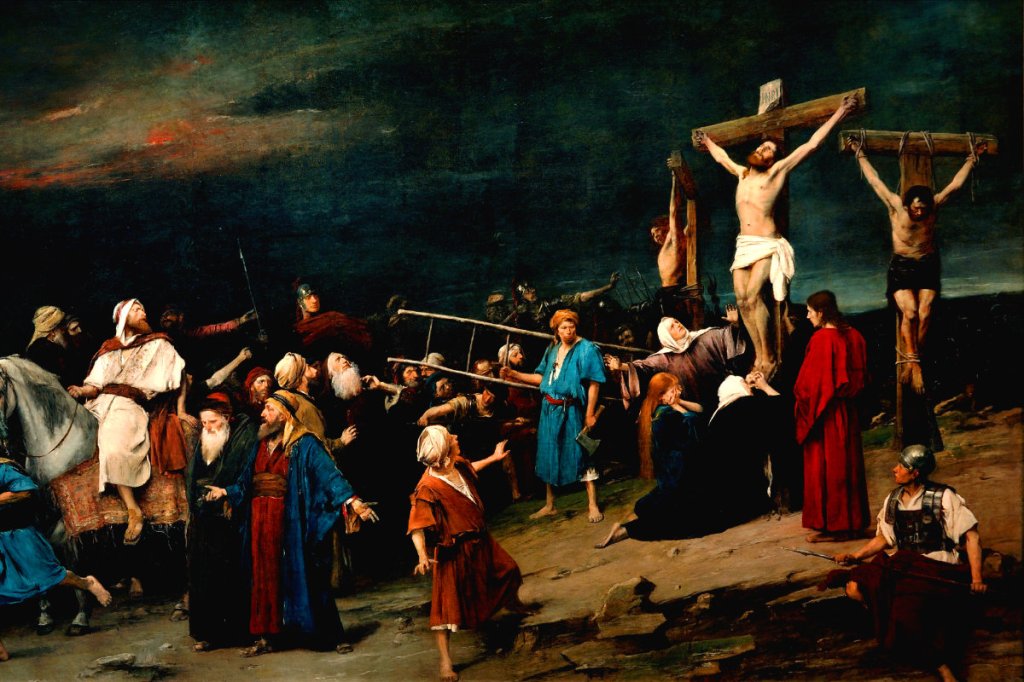
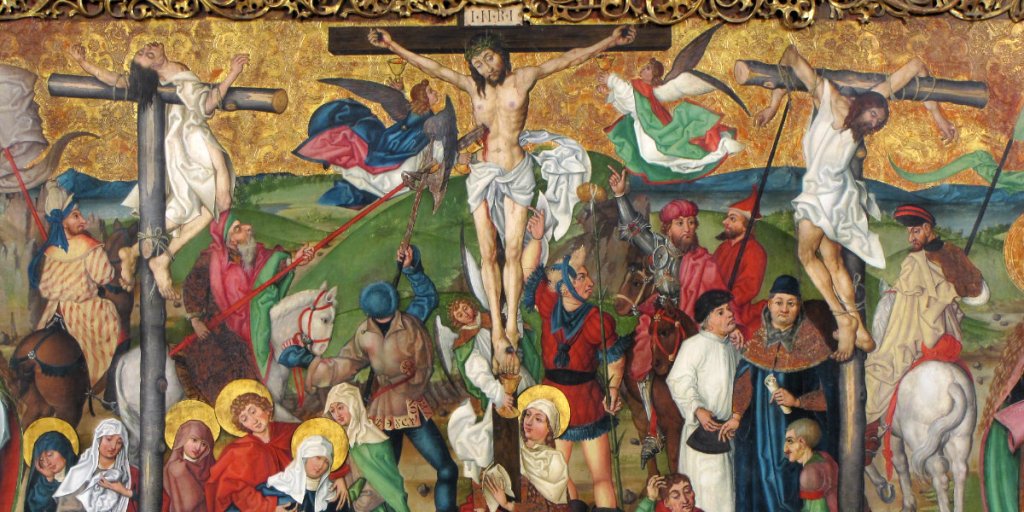
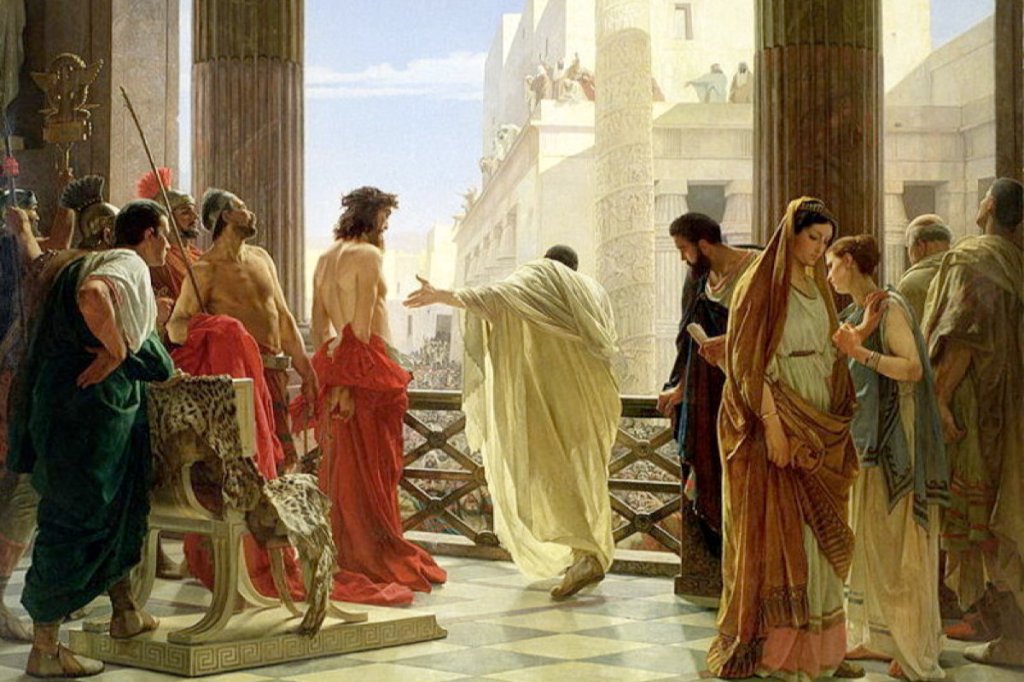
The first Christians were really persecuted, and somehow the faith survived. A few believers followed a carpenter from a small town, and their numbers grew into billions today. There is a lesson here; the tiny minority of believers who followed one man did not disappear. Their beliefs offended the neighbors, and they paid a terrible price. Limiting personal freedom for the common good is not a new idea.
Here are some words from those persecuted offenders:
“We will no longer be infants, tossed back and forth by the waves, and blown here and there by every wind of teaching and by the cunning and craftiness of people in their deceitful scheming. Instead, speaking the truth in love, we will grow …” (Ephesians 4: 14 and 15)
So, what is your truth? What do you believe might make someone else claim discomfort or insecurity? I believe we all have ideas that could offend someone, or they could claim to be offended, just to restrict us.
Do you have a truth that is worth defending? Would you die for it? Some of the first Christians were fed alive, to lions, as entertainment for the neighbors. They had a promise: “All that will live godly in Christ Jesus shall suffer persecution.” (2 Timothy 3: 12)
They knew about the cost of believing.
Interestingly, there were many religions, at the time of the first Christians, and most of them were persecuted or restricted. The Manicheans have disappeared, probably. Only a few Zoroastrians have survived, including the singer Freddy Mercury; did you know?. The Jews are still with us, but that seems to be a miracle. The modern Bahai faith is under great pressure in countries like Iran.
History has not been kind.
We also have almost a third of the world’s population who identify as followers of that carpenter named Jesus. We might question the sincerity of some, but the numbers tell a story. Limiting personal freedom for the common good is not the end of the story. Human beings do not have the power to make the truth disappear.
Some things are bigger than us.
Therefore put on the full armor of God, so that when the day of evil comes, you may be able to stand your ground, and after you have done everything, to stand. Stand firm then, with the belt of truth buckled around your waist, with the breastplate of righteousness in place. (Ephesians 6: 13 and 14)

 OpentheWord.org
Leave a comment