


In Exodus 20:4-5, the Bible says the iniquity of the parents would be passed on to their children for up to four generations.
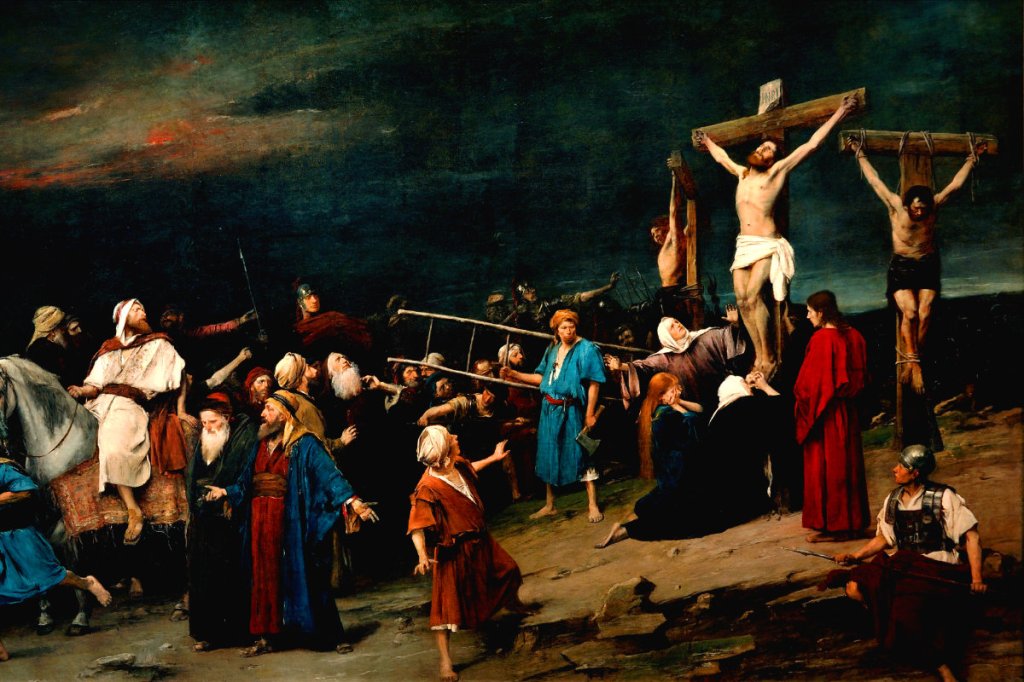
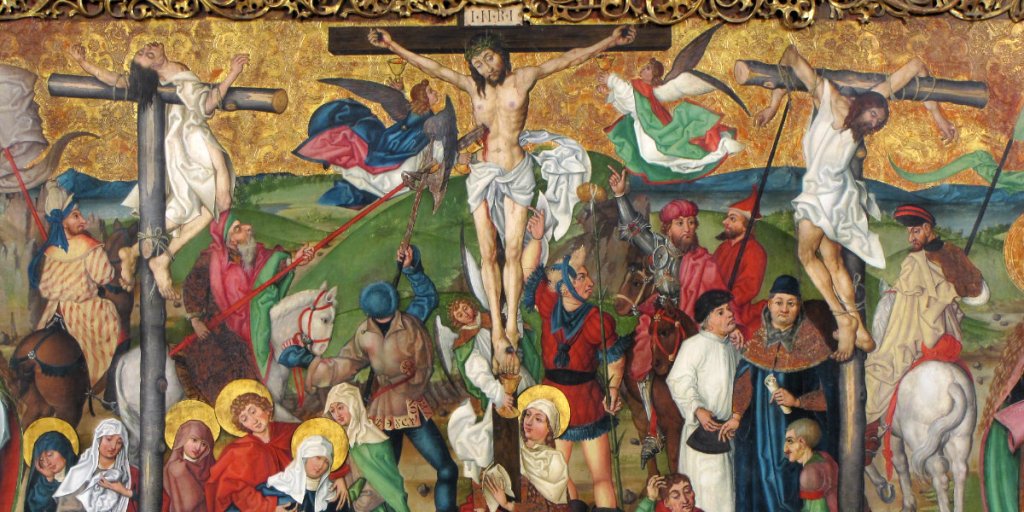
In the previous posts, we talked about how Jesus’ death on the cross broke this curse Galatians 3:9-13. But having the curse broken does not guarantee it’s broken. Similarly, just because Jesus died for our sins, does not mean everyone is saved and just because by His stripes we are healed, does not mean everyone is automatically healed.
We have to contend and believe for salvation and healing, and similarly must do the same to break Generational Curses.
Though Jesus broke the curse, there is one condition attached for it to happen—forgiveness.
In Leviticus 26, God lays out the blessings and punishment that He would place on Israel if they chose to live unrighteously.
Initially, God would judge them with blight, pestilence, and disease, hoping this would turn the nation from its iniquity. However, if Israel failed to respond, they would face the ultimate punishment — removal from the land.
God would send a foreign nation that would drag the Israelis off into captivity. Though this captivity was physical in nature, it was a mirror image of the spiritual captivity they were under due to their iniquity.
To break the physical hold and consequently, their spiritual bondage, Israel had to forgive.
(39) “So those of you who may be left will rot away because of their iniquity in the land of their enemies; and also because of the iniquities of their forefathers they will rot away with them. (40) If they confess their iniquity and the iniquity of their forefathers, in their unfaithfulness which they committed against Me, and also in their acting with hostility against Me—(41) I also was acting with hostility against them, to bring them into the land of their enemies – or if their uncircumcised heart becomes humbled so that they then make amends for their iniquity.” (Leviticus 26:39-41)
First, they had to ask God to forgive them for their iniquity. This involved an outward confession of their secret sins. It entailed taking personal responsibility for their sin, meaning they could no longer blame their parents for their plight.
The second step involved confessing the sins of their fathers and forefathers. This may have been a bit more difficult.
Before a person could sincerely ask God to forgive their forefathers, they would emotionally have to forgive them as well.
Throughout the Gospels, Jesus repeatedly taught the need to forgive and warned that if a person will not forgive others, then God will not forgive them (Mathew 6:12-14).
Jesus may have been referring to this very principle when He told his disciples, “If you forgive the sins of any, their sins have been forgiven them, if you retain the sins of any, they have been retained” (John 20:23 NASV).
If we don’t forgive our parents, then the sin, or in the context of this article, the generational curse is retained.
I don’t believe this means that these individuals are saved, as the Catholic Church would suggest, but I do believe that those sins that were specifically addressed are forgiven.
As they confessed the sins of their forefathers and forgave them, the children severed the conduit by which the generational curses could slide down upon them.
This is the sixth in a seven-part series on Generational Curses.
More in this series:
- Generational Curses: Part 1 — Inheriting sin?
- Generational curses: Part 2 — For four generations
- Generational Curses: Part 3 — Did King David’s family have a generational curse?
- Generational Curses: Part 4 — Jesus breaks the curse
- Generational Curses: Part 5 — Exposing the Secret Sins
- Generational Curses: Part 6 — the one condition, forgiving our parents
- Generational Curses: Part 7 — Breaking the Demonic stronghold


 OpentheWord.org
Leave a comment