
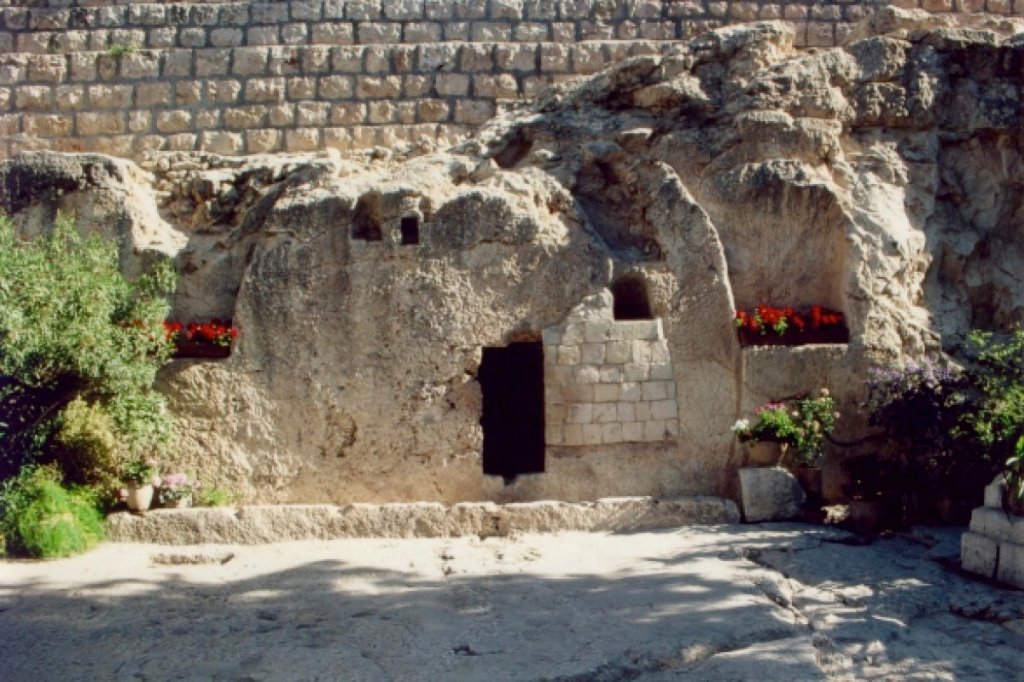

Credit: Phillip Benshmuel/Wikipedia/Creative Commons 4.0
In a Facebook post that has now been shared over 270,000 times, Sheryll Lynn explains the significance of how after Jesus’ resurrection, the Lord folded the face-cloth that had been wrapped around His head at burial:
7 and the face-cloth which had been on His head, not lying with the linen wrappings but folded up in a place by itself. (John 20:7 NASV)
As Sheryll Lynn notes there is a reason, this small insignificant detail caught the Apostle John’s attention so that he included it in his gospel.
Lynn explains:
“When the servant set the dinner table for the master, he made sure that it was exactly the way the master wanted it. The table was furnished perfectly. Then the servant would wait, just out of sight, until the master had finished eating. And the servant would not dare touch that table until the master was finished. Now, if the master were done eating, he would rise from the table, wipe his fingers, and his mouth, and clean his beard. And would wad up that napkin and toss it onto the table.”
In other words, the folded facecloth indicated that Jesus knew that this wasn’t over, and He would be returning.
READ: Sheryll Lynn discussed meaning of the folded face cloth on Jesus’ empty tomb
Curiously, according to early Christian reformer, John Calvin (1509-1546), this folded face cloth also called into question the Shroud of Turin, purported to be Jesus’ burial cloth. It allegedly has a full imprint of Jesus’ body, including the Lord’s face, burned into it due to His resurrection.
However, Calvin noted that the verse in John suggests that several pieces of cloth were used for Jesus’s burial, as linen wrappings (plural) were used for His body and another for His head.

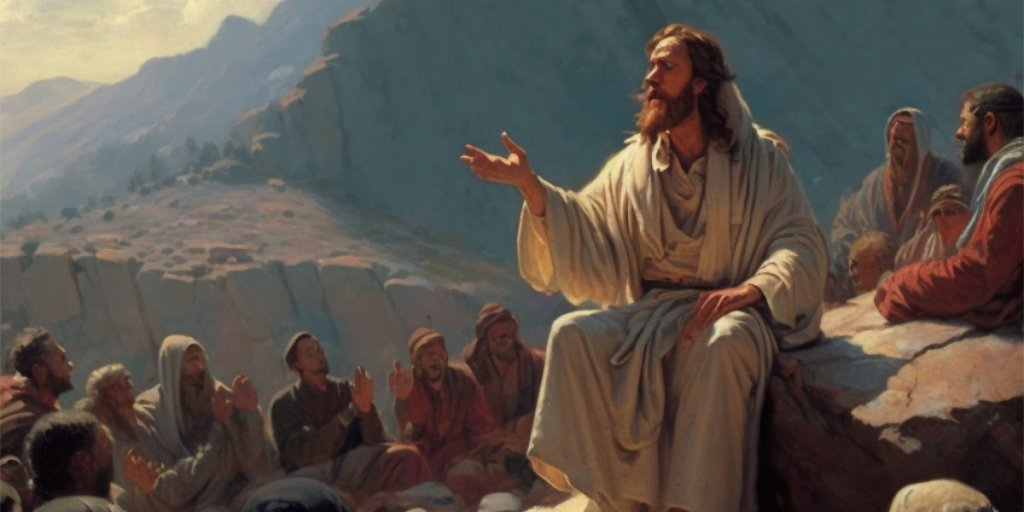


 OpentheWord.org
Leave a comment