
27 They also broke down the sacred pillar of Baal and broke down the house of Baal, and made it a latrine to this day. (2 Kings 10:27 NASV)
This verse tells the story of King Jehu eradicating Baal out Israel. After destroying the idols in one particular temple, Jehu ordered his men to set up a toilet in the Baal sanctuary.
This transformation to an outhouse was the kings way of desecrating the temple and recent archaeological excavations suggest it was a common practice.
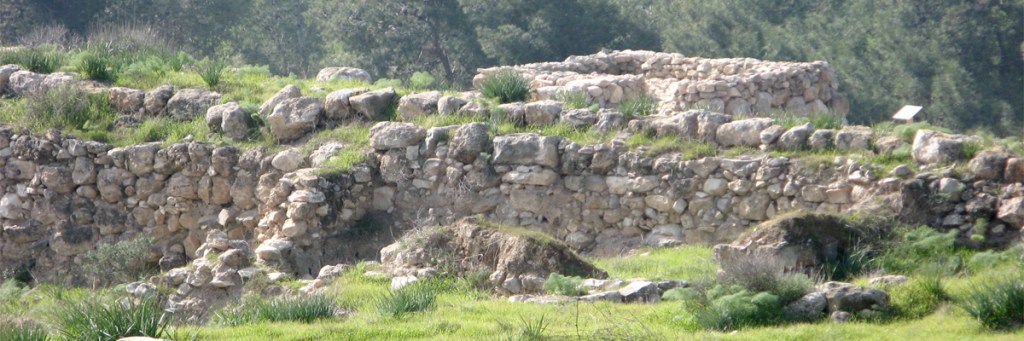
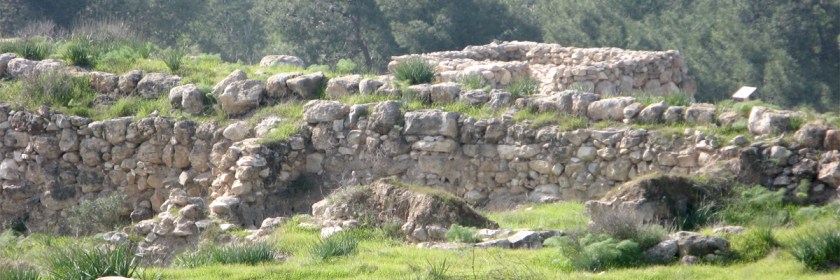
Archaeologists working at the Tel-Lachish site in central Israel have made an amazing discovery. They found a toilet in an ancient Baal shrine. The site is dated to the reign of King Hezekiah (715BC to 686BC).
This is the remains of the ancient city of Lachish mentioned several times in the Bible (2 Kings 14:17-19). Many consider it Judah’s second most important city behind Jerusalem.
King Sennacherib of Assyria destroyed Lachish in 701AD during the reign of Judah’s King Hezekiah. Hezekiah, one of Israel’s most prominent reforming kings, is listed in the genealogy of Jesus (Matthew 1:9).
They have even found the remains of an Assyrian ramp used to attack Lachish with hundreds of arrowheads on or beside it. They also discovered over 1,500 skulls nearby suggesting the battle for the city must have been fierce.
Though Sennacherib destroyed Lachish, he was unable to conquer Judah after God struck his army with a plague (2 Kings 19:35-36).
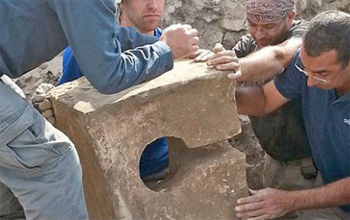
The 2,700 year old toilet was square shaped with a hole carved in the middle with a cut extending to the edge. Tests showed that it was never used indicating the desecration was a symbolic gesture.
Though this is not the toilet that Jehu used — he ruled a 130 years before Hezekiah — it showed that turning Baal temples into outhouses was one way Israel commonly desecrated pagan temples. In contrast to Hezekiah, the Bible suggests the Israelis regularly used the Baal temple as an outhouse for years in Jehu’s day.
The archaeologists from Israel Antiquities Authority were excavating the large gates of Lachish, when they found the remains of the ancient shrine. The gates were massive (80′ by 80′ and 16′ high) and had six rooms (three on either size of the two pillars on which the gates hung).
The rooms served multiple purposes. In one they found chairs with arm rests on them. The Bible records that the elders sat at the gate of the city and people brought their disputes to them (Lamentations 5:14; Proverbs 31:23). Business transactions were also conducted at the gates so there were witnesses.
Other rooms were used for storage where they found grain shovels and ancients jars for storing grain and other products littering the floor. Some had King Hezekiah’s stamp imprinted on them, suggesting the Royal palace sent provisions to the Israeli army as it defended the city against Sennacherib’s attack.
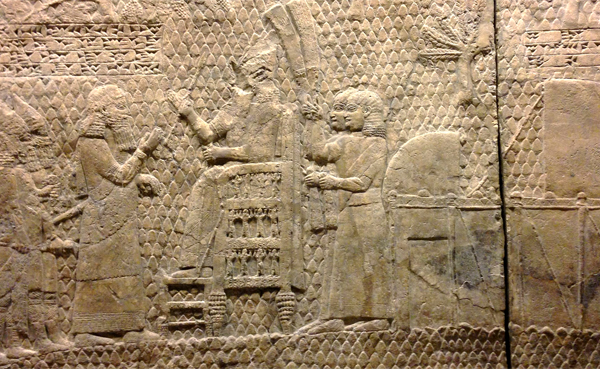
“Sennacherib, the mighty king, king of the country of Assyria, sitting on the throne of judgment, before (or at the entrance of) the city of Lachish (Lakhisha). I give permission for its slaughter.” Credit: oncenawhile/Wikipedia. Other reliefs show the Jews being led into captivity.
But one of the rooms had also been used earlier as a pagan Baal shrine which is where they found the toilet. There was a large bench in the center of the room on which placed their offering.
There was also a smaller connecting room that had two altars of Baal. They had the remains of horns that were purposefully broken off. One of the judgements against the idolatrous altars was having their horns cut off (Amos 3:14). Pagans believed it destroyed the power of the altar.
The toilet and lopping off of the horns were undoubtedly part of the reforms instituted by Hezekiah to restore the worship of Jehovah:
4 He [Hezekiah] removed the high places and broke down the sacred pillars and cut down the Asherah. He also broke in pieces the bronze serpent that Moses had made, for until those days the sons of Israel burned incense to it; and it was called Nehushtan. (2 Kings 18:4 NASV)
Speaking on behalf the archaeological team, Sa’ar Ganor said:
“That is probably evidence of the religious reforms attributed to King Hezekiah, whereby religious worship was centralized in Jerusalem and the cultic high places that were built outside the capital were destroyed.”
Source:
- Archaeologists: King Hezekiah really did destroy idols: Charisma News
- Archaeologists: 2,700 -year-old toilet confirms Scripture: WND
- Iron-age toilet is evidence Judean king dumped on the gods: Times of Israel
- An Important Archaeological Discovery: A Gate-Shrine Dating to the First Temple Period was Exposed In Excavations of the Israel Antiquities Authority in the Tel Lachish National Park: Israel Antiquities Authority




 OpentheWord.org
Leave a comment